Floating Covers for Cement Plants — Process Water Evaporation Control, Dust Suppression & Chemical Resistance
HDPE floating covers engineered for the high-pH alkaline chemistry of cement process water — up to 99% surface coverage, 95% evaporation reduction, and zero maintenance.
Cement plant cooling ponds, process water basins, and slurry storage require floating covers to reduce evaporation losses, suppress alkaline dust, and prevent contamination of stored water. Cement manufacturing creates a unique combination of water management challenges. Process water — including kiln cooling water, equipment wash-down water, and raw material runoff — contains high concentrations of calcium oxide, calcium hydroxide, and alkali carbonates, resulting in highly alkaline chemistry at pH 11–13 that is incompatible with most conventional pond cover materials. AWTT's HDPE floating cover systems are engineered to withstand this chemistry while simultaneously addressing the operational water loss, dust, and compliance challenges that cement plants face.
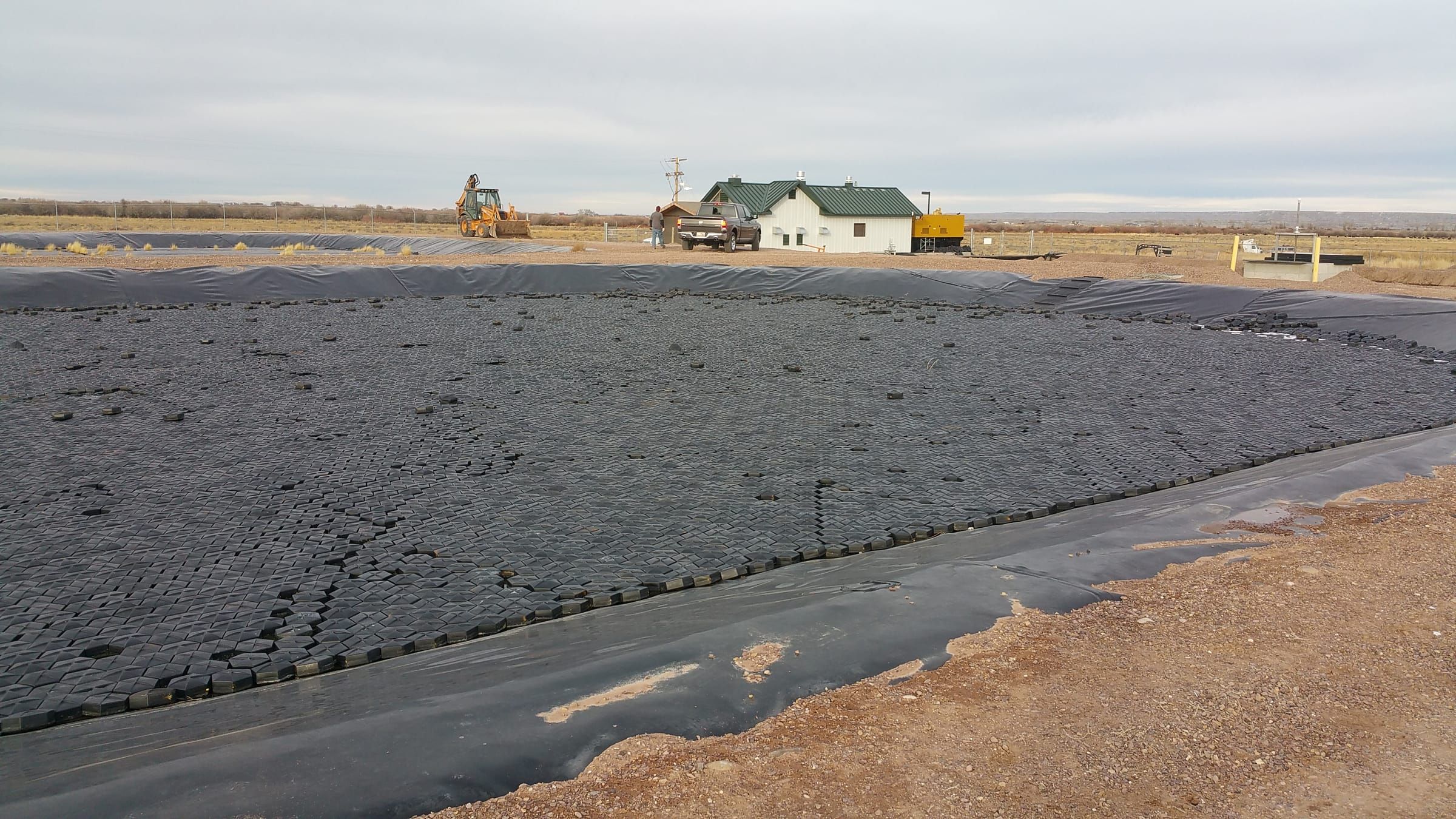
AWTT's Hexprotect® AQUA floating cover achieves up to 99% surface coverage on cement plant process water and cooling ponds — reducing evaporation by up to 95%, eliminating algae growth that degrades cooling water quality, suppressing cement dust from drying pond surfaces, and excluding migratory birds from alkaline impoundments. For cement operations in high-wind, open-terrain environments, the Armor Ball® AQUA 275 provides 75 MPH wind resistance without anchoring. All AWTT floating covers are manufactured from chemical-resistant, UV-stabilized HDPE — rated for pH 2–13, warranted for 10 years, and designed for a 25-year operational lifespan with zero maintenance requirements.
Common Cement Plant Industry Challenges
Uncovered water storage creates measurable operational, environmental, and compliance risks specific to cement plant facilities.
High-Alkalinity Process Water Chemistry
Cement manufacturing generates process water containing calcium oxide (CaO) and calcium hydroxide (Ca(OH)₂) — resulting in highly alkaline wash-down and cooling water at pH 11–13. Most standard pond cover materials degrade rapidly under this chemistry; chemical-resistant HDPE construction is essential.
Evaporation Loss in Arid Operating Regions
Cement plants in the US Southwest, Middle East, North Africa, and southern Africa routinely lose 60–100 inches of process water annually to surface evaporation from open cooling and wash-down ponds — increasing freshwater sourcing costs and jeopardizing process water balance.
Cement Dust from Drying Pond Surfaces
As open process water pond surfaces dry between water additions, fine cement particulate and clinker dust become airborne — generating PM10 and PM2.5 dust that violates Clean Air Act opacity permit limits and poses community health risks near plant boundaries.
Algae Growth in Cooling Water Ponds
Open cooling water ponds develop algae blooms that increase biofouling of cooling tower systems, elevate Total Suspended Solids (TSS), and degrade cooling efficiency — increasing chemical treatment costs and maintenance frequency for cooling infrastructure.
Alkaline Stormwater Runoff Contamination
Rainfall contacting cement raw materials — limestone, clinker, fly ash, and kiln dust — creates highly alkaline leachate that can migrate to surrounding groundwater and surface water. Open process water ponds that collect stormwater amplify this contamination risk.
Wildlife Mortality at Alkaline Process Ponds
Open alkaline process water ponds attract migratory birds that mistake the reflective surface for safe water. The high-pH, mineral-laden chemistry of cement process water is acutely toxic to waterfowl — creating Migratory Bird Treaty Act (MBTA) exposure for cement plant operators.
AWTT Floating Cover Solutions for Cement Plants
Modular, maintenance-free floating covers engineered specifically to address the liquid containment challenges of cement plant operations.
HDPE Resistance to High-pH Cement Water
AWTT floating covers are manufactured from high-density polyethylene (HDPE) — one of the few materials that maintains full structural integrity in contact with highly alkaline cement wash-down water, calcium hydroxide slurry, and clinker pond leachate at pH 11–13. No corrosion, no swelling, no degradation.
Evaporation Reduction Up to 95%
AWTT floating covers reduce process water and cooling pond evaporation by up to 95%, directly protecting water balance in cement facilities operating in arid climates and reducing the freshwater makeup required to sustain process water volumes and cooling system performance.
Dust Suppression on Active Process Ponds
By maintaining moisture at the pond surface and preventing the exposed drying cycles that generate cement dust, AWTT floating covers reduce windborne PM10 and PM2.5 generation from process water pond surfaces — directly supporting Clean Air Act opacity permit compliance.
Algae Elimination for Cooling Water Quality
Up to 99% surface coverage blocks the sunlight that drives algae growth in cooling water ponds — maintaining water quality, reducing biocide and chemical treatment consumption, protecting cooling tower fill and distribution systems from biofouling, and lowering maintenance costs.
Rain Exclusion Reduces Stormwater Risk
Covering process water ponds with AWTT floating covers prevents rainfall from adding alkaline-contaminated stormwater to pond volume — reducing overflow risk, lowering stormwater management obligations, and protecting surrounding groundwater from high-pH leachate migration.
Bird Exclusion from Alkaline Process Ponds
AWTT Hexprotect® AQUA floating covers achieve up to 99% surface coverage, eliminating the open water surface that attracts migratory birds to alkaline cement process ponds. This preventive exclusion approach is the most defensible MBTA compliance strategy available for cement plant operators.
Quick Facts — Cement Plant Floating Cover Performance
Recommended Products for Cement Plants
AWTT engineers recommend these floating cover systems for cement plants applications.
Coverage: up to 99% | pH 2–13 rated
Hexprotect® AQUA
The leading choice for cement plant process water and cooling ponds. Up to 99% surface coverage maximizes evaporation reduction, eliminates algae growth, suppresses cement dust, and excludes wildlife — with full chemical resistance to the high-pH alkaline chemistry of cement manufacturing process water.
Learn more →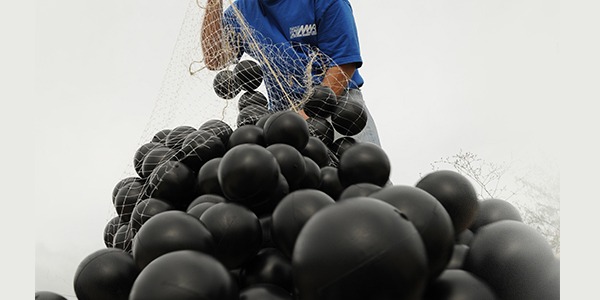
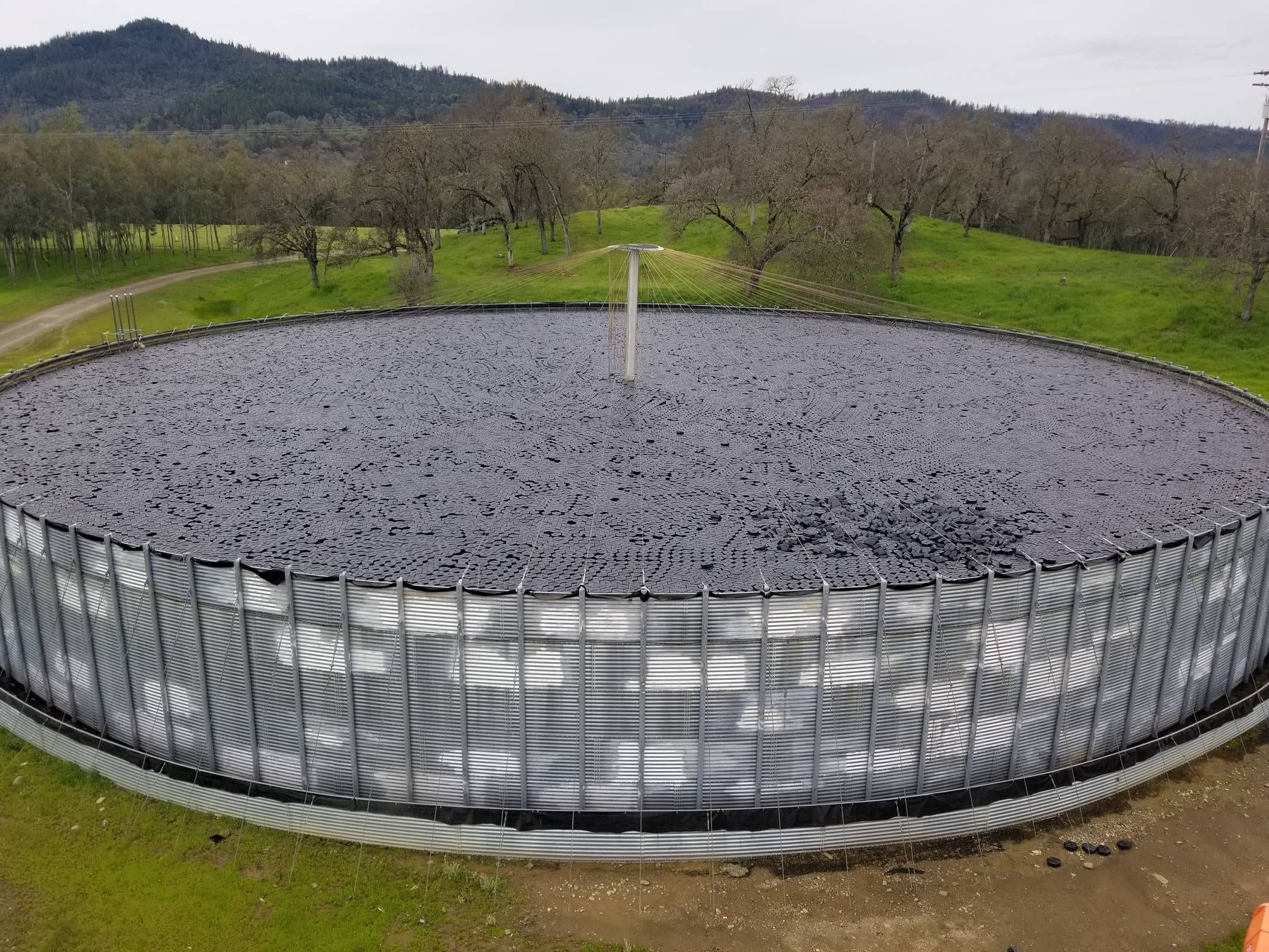
Wind resistance: 75 MPH | Water-ballasted
Armor Ball® AQUA 275
For cement plants in high-altitude or open-terrain locations where extreme wind is the primary challenge. The water-filled ballast design anchors the cover against 75 MPH sustained winds without mechanical fasteners — reliable protection for exposed quarry and cement plant cooling water ponds.
Learn more →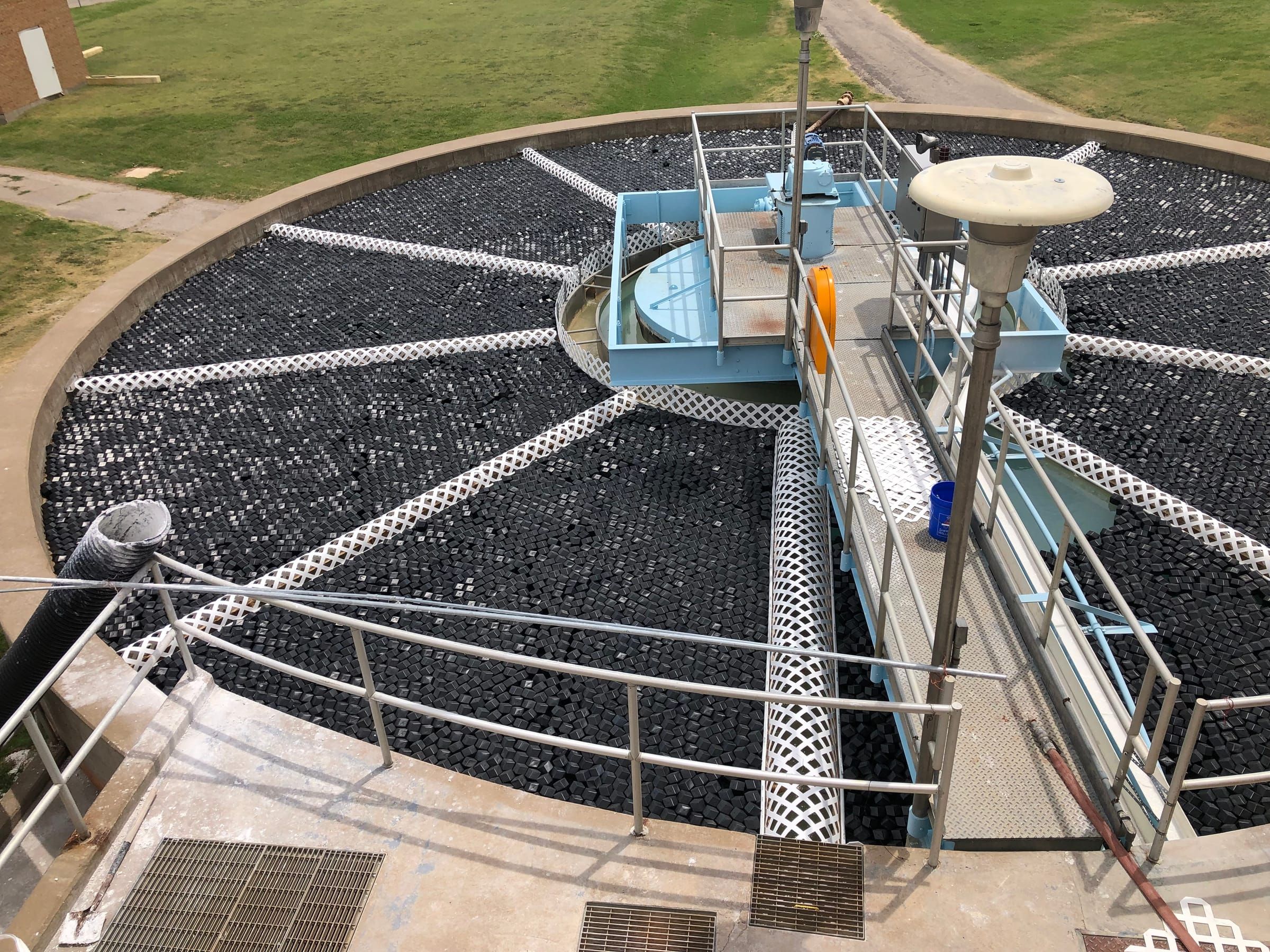
Evaporation reduction: up to 98%
Rhombo Hexoshield®
For cement operations in arid regions where water conservation is the critical performance metric, the Rhombo Hexoshield® achieves up to 98% evaporation reduction — the highest in the AWTT product range. Ideal for process water recovery ponds where every liter saved reduces freshwater sourcing and operating costs.
Learn more →Frequently Asked Questions — Cement Plants
Common questions from cement plants operators and engineers evaluating AWTT floating cover systems.
Are AWTT floating covers chemically resistant to the high-pH water found in cement plant processes?
How do floating covers reduce evaporation from cement plant process water ponds?
Can floating covers help cement plants control dust emissions from drying pond surfaces?
What are the Migratory Bird Treaty Act compliance benefits of covering cement plant process ponds?
Ready to Solve Your Cement Plant Water Storage Challenges?
Contact AWTT for a custom floating cover recommendation tailored to your cement plants operation — including site assessment, specification sheets, and ROI analysis.
Engineering Tools & Resources
Evaporation Rate Calculator
Estimate evaporation losses on your pond or reservoir and the ROI of a floating cover, using five FAO-56 / Harbeck methods with real-time weather.
Heat Loss & ROI Calculator
Model heat loss from a heated pond with the ASHRAE 5-component balance, then compare insulation savings and 20-year cost of ownership.
Not Sure Which Cover?
Answer a few questions about your site conditions and get a personalized product recommendation.
Technical Specifications
View full engineering specs, wind resistance data, R-values, and material compliance details.