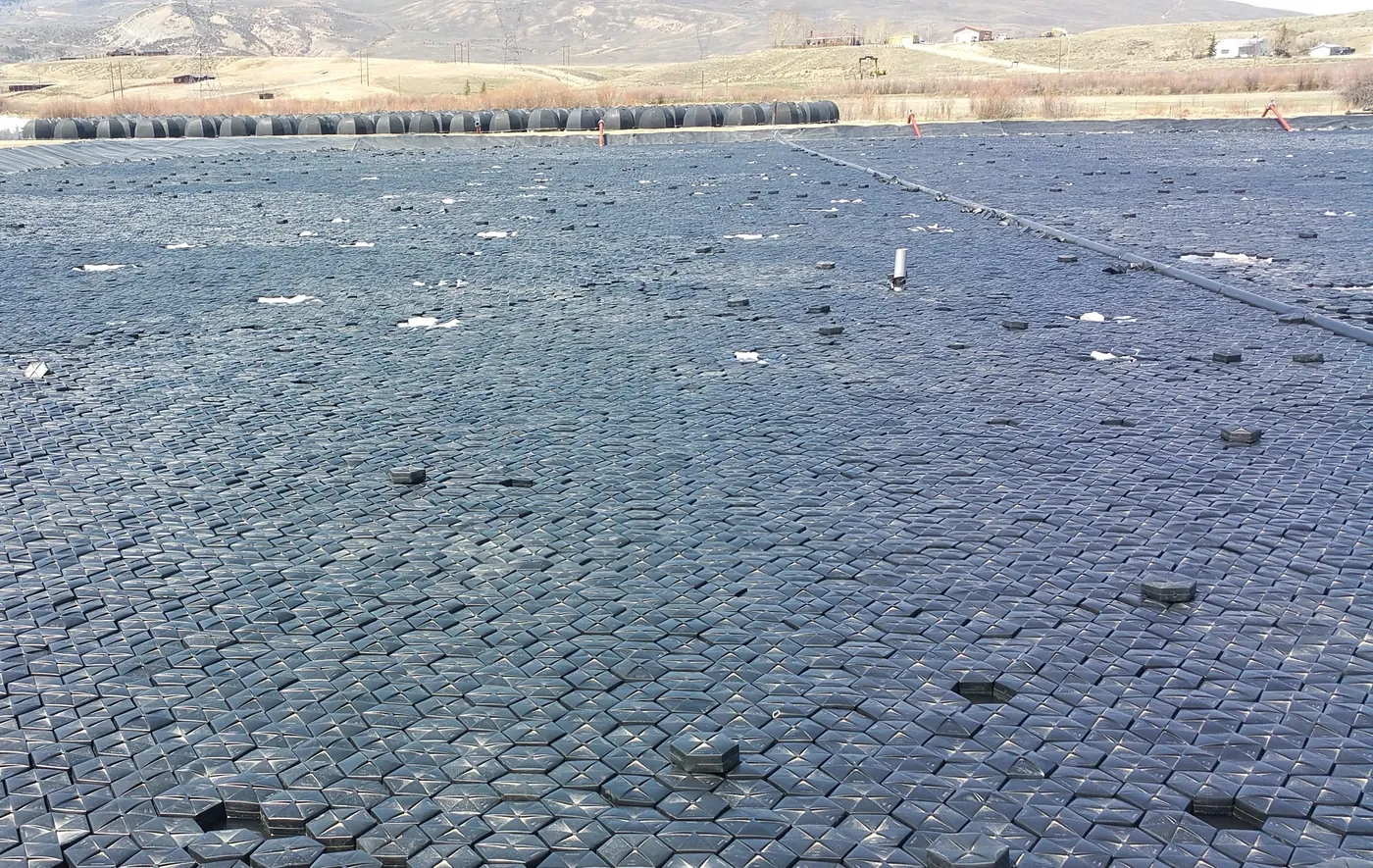
Floating Covers for Biogas Plants and Anaerobic Digestion Lagoons
Maximize biogas yield, reduce heating costs by up to 90%, and suppress H₂S and odor emissions with AWTT's insulated floating cover systems.
Biogas plants use insulated floating covers on anaerobic digesters and lagoons to retain heat, capture methane, and maintain optimal microbial activity for biogas production. Biogas production through anaerobic digestion is highly sensitive to temperature. Mesophilic bacteria require sustained lagoon temperatures of 95–104°F; thermophilic systems demand 122–140°F. Uncovered digestion lagoons lose heat continuously through the liquid surface — forcing supplemental heating systems to compensate, driving up energy costs, and risking process upsets during cold weather. AWTT's insulated floating cover systems eliminate this thermal vulnerability.
The Hexprotect® MAX R floating cover delivers an R-value of 17 or greater through a 2.5–3" closed-cell polyurethane foam insulation layer, reducing digester heating costs by up to 90% and maintaining optimal fermentation temperatures year-round in climates as cold as –70°F. Beyond temperature control, AWTT floating covers achieve up to 99% surface coverage to suppress methane and H₂S atmospheric emissions, reduce evaporation, block algae-stimulating sunlight, and eliminate odor complaints — delivering a comprehensive solution for responsible biogas plant operation. Pair the AWTT digester evaporation calculator with the heat-loss calculator to size both evaporative and conductive cover savings on the same lagoon.
Related Engineering Guides
Case Study: Anaerobic Lagoon Insulation & Odor Control
Anonymized application note documenting Hexprotect® MAX R deployment on an anaerobic biogas lagoon for thermal stability and odor containment.
Evaporation Control for Biogas Digesters
Guidance for heated digesters, biogas lagoons, and process ponds where evaporation drives heat loss.
Insulated vs. Non-Insulated Floating Covers
Decide when R-value, surface coverage, and temperature stability justify an insulated floating cover.
Floating Covers — Complete Overview
The three families of modular floating cover, how they compare, and how to specify the right system.
Common Biogas Plants Industry Challenges
Uncovered water storage creates measurable operational, environmental, and compliance risks specific to biogas plants facilities.
Temperature Loss Kills Methane Yield
Anaerobic digestion bacteria are highly temperature-sensitive. Mesophilic digestion requires 95–104°F; thermophilic requires 122–140°F. Heat loss from uncovered lagoons forces expensive supplemental heating and suppresses biogas production rates.
Methane & H₂S Atmospheric Emissions
Uncovered anaerobic digestion ponds release methane (a greenhouse gas 28× more potent than CO₂) and hydrogen sulfide into the atmosphere — creating odor complaints, worker safety hazards, and regulatory air permit violations.
Evaporation Reduces Digester Volume
Uncovered lagoons can lose 50–80 inches of water annually to evaporation in arid regions. Effective working volume loss reduces hydraulic retention time (HRT) and biogas yield, requiring costly water makeup or lagoon expansion.
Algae Growth Disrupts Anaerobic Conditions
Sunlight penetration on uncovered ponds promotes algal growth, introducing dissolved oxygen that inhibits obligate anaerobic bacteria, disrupting the digestion process and reducing methane output per volatile solid processed.
Cold-Climate Performance Degradation
In northern climates, anaerobic digestion lagoon temperatures can drop below viable ranges during winter, causing process upset, extended recovery times, and months of severely reduced biogas production.
Odor & Community Complaints
Biogas facilities adjacent to residential or agricultural communities face persistent odor complaints from H₂S, ammonia, and volatile organic compounds emitted from uncovered digestion ponds — creating community relations and permit renewal risks.
AWTT Floating Cover Solutions for Biogas Plants
Modular, maintenance-free floating covers engineered specifically to address the liquid containment challenges of biogas plants operations.
R-17+ Insulation for Year-Round Digestion
AWTT's Hexprotect® MAX R insulated floating cover achieves an R-value of 17 or greater through 2.5–3" of closed-cell polyurethane foam. This preserves lagoon temperatures within the optimal mesophilic or thermophilic range year-round, protecting biogas yield in winter.
Heating Cost Reduction Up to 90%
The insulating layer of the Hexprotect® MAX R floating cover reduces supplemental heating costs by up to 90%, delivering significant operational savings at biogas facilities with heated digestion lagoons or covered anaerobic ponds.
Odor Reduction Up to 90%
AWTT's Hexprotect® AQUA cover achieves up to 99% surface coverage, creating a barrier that reduces H₂S and ammonia atmospheric emissions by up to 90%. This dramatically reduces odor complaints and helps biogas operators maintain community air permit compliance.
Evaporation Reduction Up to 95%
By covering lagoon surfaces with up to 99% coverage, AWTT floating covers reduce evaporation losses by up to 95%, protecting hydraulic retention time, maintaining working volume, and eliminating the need for water makeup in arid operating environments.
Sunlight Blocking Preserves Anaerobic Conditions
The opaque HDPE shell of every AWTT floating cover blocks sunlight penetration, preventing algal growth and protecting the anaerobic environment essential for methane-producing bacteria — without any chemical addition.
Frost Resistance to –70°F
The Hexprotect® MAX R is engineered to remain structurally sound at temperatures as low as –70°F (–57°C), making it the floating cover of choice for biogas facilities in northern climates, mountain regions, and cold continental zones.
Quick Facts — Biogas Plants Floating Cover Performance
Recommended Products for Biogas Plants
AWTT engineers recommend these floating cover systems for biogas plants applications.
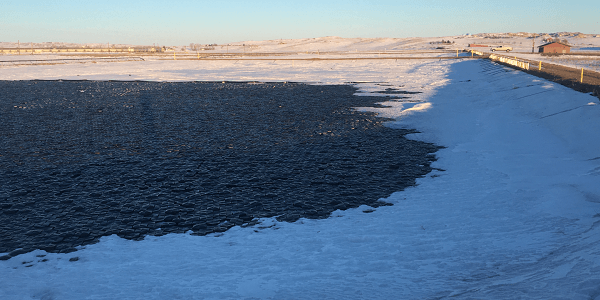
R-Value: ≥17 | –70°F frost resistance
Hexprotect® MAX R
The top choice for biogas and anaerobic digestion applications. The 2.5–3" closed-cell insulation layer maintains lagoon temperatures within the optimal mesophilic range, reducing supplemental heating costs by up to 90% while suppressing H₂S and methane atmospheric emissions.
Learn more →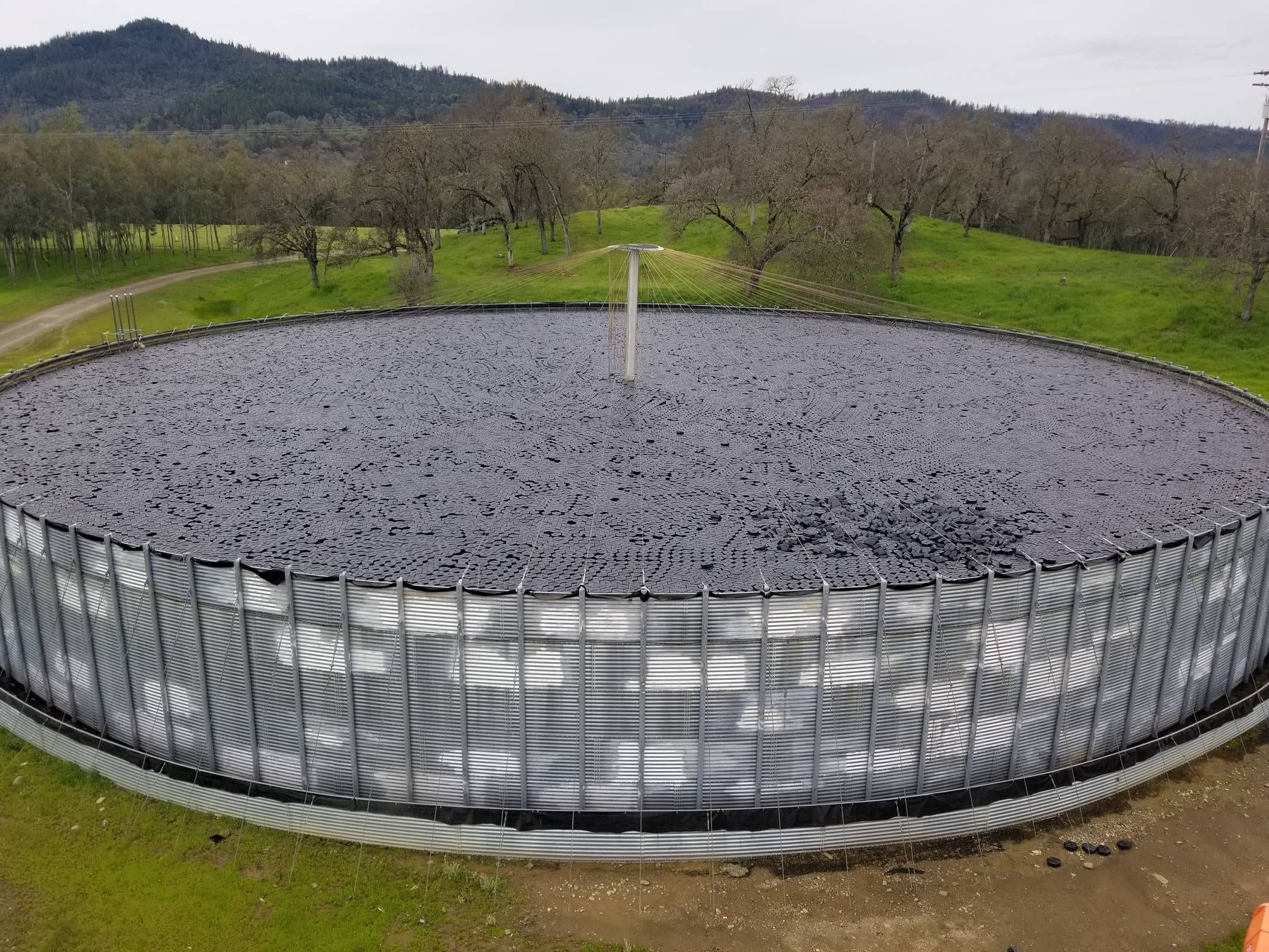
Coverage: up to 99% | Wind resistant
Hexprotect® AQUA
For biogas facilities in milder climates where insulation is less critical, Hexprotect® AQUA achieves up to 99% surface coverage to suppress odors, block algae, and reduce evaporation — at a lower capital cost than the insulated MAX R model.
Learn more →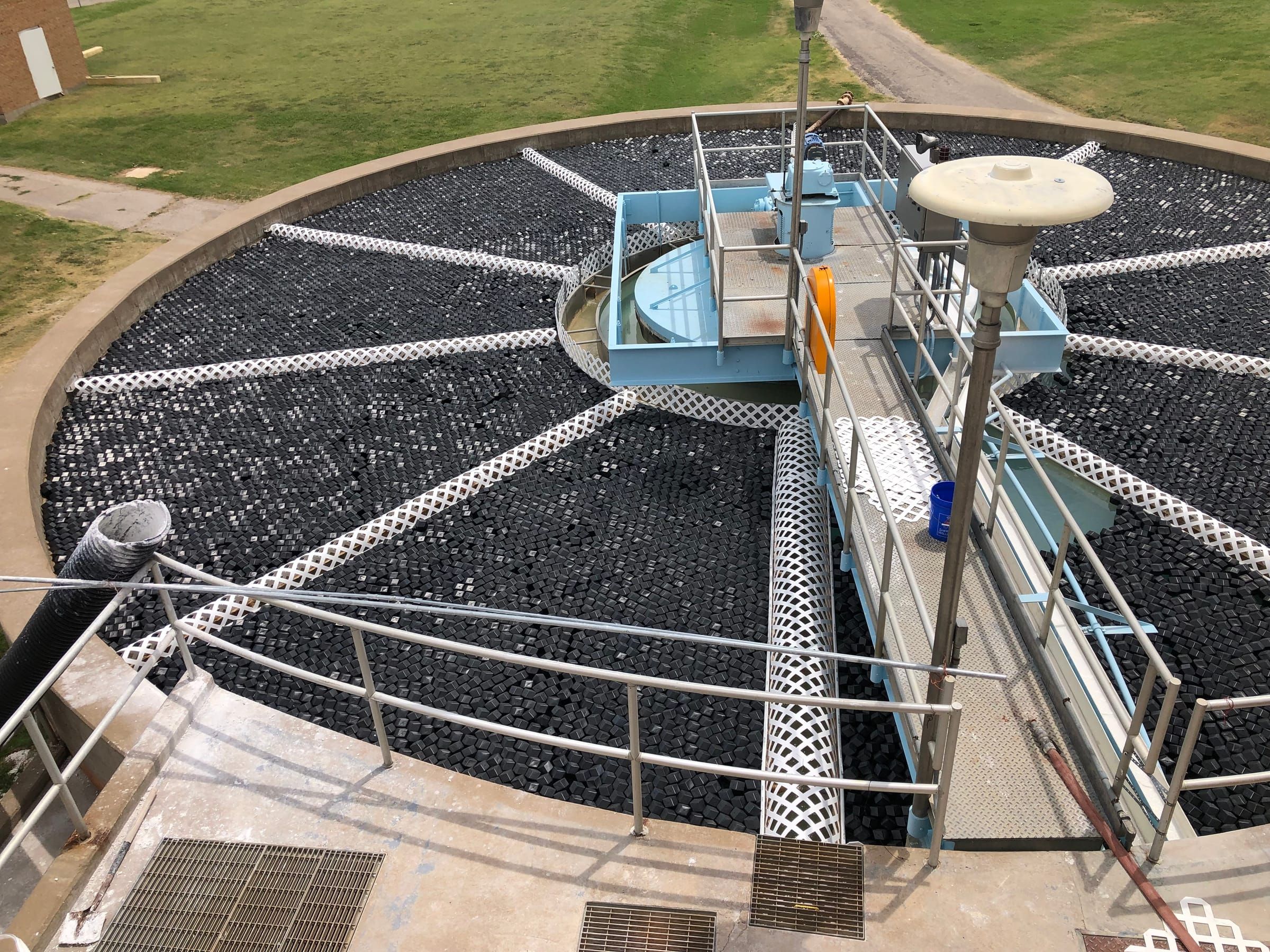
Evaporation reduction: up to 98%
Rhombo Hexoshield®
The Rhombo Hexoshield® hybrid system achieves up to 98% evaporation reduction — the highest in the AWTT product range. Ideal for biogas lagoons in arid climates where water conservation is as important as thermal performance.
Learn more →Frequently Asked Questions — Biogas Plants
Common questions from biogas plants operators and engineers evaluating AWTT floating cover systems.
Can floating covers improve biogas yield at anaerobic digestion facilities?
What R-value do AWTT insulated floating covers provide for digestion ponds?
Do floating covers help biogas facilities meet air permit requirements for H₂S and ammonia?
Are floating covers suitable for the corrosive environment of biogas digestion lagoons?
Ready to Solve Your Biogas Plants Water Storage Challenges?
Contact AWTT for a custom floating cover recommendation tailored to your biogas plants operation — including site assessment, specification sheets, and ROI analysis.
Engineering Tools & Resources
Evaporation Rate Calculator
Estimate evaporation losses on your pond or reservoir and the ROI of a floating cover, using five FAO-56 / Harbeck methods with real-time weather.
Heat Loss & ROI Calculator
Model heat loss from a heated pond with the ASHRAE 5-component balance, then compare insulation savings and 20-year cost of ownership.
Not Sure Which Cover?
Answer a few questions about your site conditions and get a personalized product recommendation.
Technical Specifications
View full engineering specs, wind resistance data, R-values, and material compliance details.